Want Some Limelight?

Members are invited to submit a profile to be featured on our blog and our monthly e-mails.
Click here to learn how to submit your CAI Member Profile
Showing posts with label education. Show all posts

4.12.2010

Breaking Into The Illustrated Children's Book Market

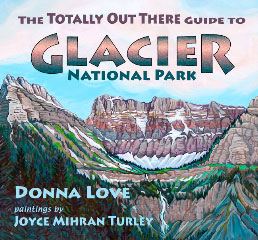
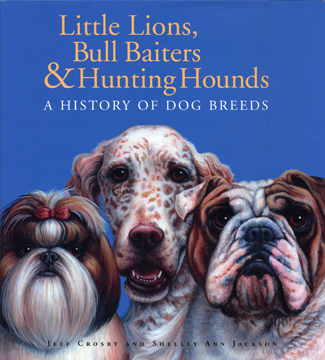
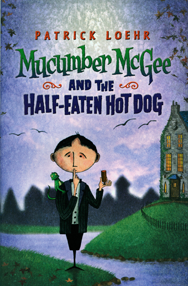
Published Children's Book illustrators and authors talk about how they broke into the industry, what works and doesn't, and offer tips for success in a competitive market via an informative Q&A panel. Panelists include Patrick Loehr, Joyce M. Turley, Jeff Crosby and Shelly Ann Jackson.


In 2007, Patrick Loehr's debut children’s book, Mucumber McGee and the Half-Eaten Hot Dog(HarperCollins publishers) was nominated for the Borders Original Voices Award. In 2006 he was named a “Top 40” digital artist by the Los Angeles Center for Digital Art. Loehr has since released a sequel to Mucumber McGee along with a Japanese language edition of the book, and become the department chair of the Art and New Media Design department at the community College of Aurora.

Award winning illustrator Joyce Mihran Turley, specializes in presenting scientifically accurate images of nature with a painterly style and colorful palette. Published by the Grand Canyon Association, Animals Count in Grand Canyon National Park is her latest book release. It introduces young children to the engaging animals and scenery of the park. Joyce's current projects include The Totally Out There Guide to Glacier National Park, a comprehensive illustrated guide to the park for older students, and One Night in the Everglades, a book detailing current research efforts to return the Everglades to a more sustainable condition. Her loon and osprey illustrations are featured in a series of books for children published by Mountain Press Publishing.

Jeff Crosby and Shelley Ann Jackson are husband and wife author/illustrators who work both individually and collaboratively. Jeff and Shelley each hold BFA degrees in Communication Design from the University of North Texas and MFA degrees in Illustration as Visual Essay from the School of Visual Arts. They have been illustrating professionally since 1997. Their work has appeared in newspapers, magazines, book covers, picture books, posters, greeting cards and advertisements. In his solo career, Jeff has illustrated six picture books. The couple’s love of dogs inspired them to try their hand at writing in their first collaborative children’s book, Little Lions, Bull Baiters & Hunting Hounds: A History of Dog Breeds, which they also illustrated and designed. Little Lions was awarded a grant from the Society of Children’s Book Writers and Illustrators and was named 2008 juvenile nonfiction book of the year by ForeWord Magazine. Together Jeff and Shelley illustrated the Revolutionary War picture book Upon Secrecy, written by Selene Castrovilla. They are currently at work on a sequel to Little Lions called Harness Horses, Bucking Broncos & Pit Ponies: A History of Horse Breeds and Jeff is in the contract phase of his next solo book with Hyperion. Jeff and Shelley live in Castle Rock with their daughter and three dogs.

3.29.2009

Spotlight on Cherish's Blog

Interview with Colorado Alliance of Illustrators Vice President, Cherish Flieder by SCBWI writer Jennifer Bertman for Society of Children’s Book Writer’s and Illustrators Rocky Mountain Chapter newsletter, Kite Tales.

Why did you decide to start a blog?
The more I learn and experience in life, the more I want to share my findings with others. I found myself retelling the same stories and sharing the resources repeatedly to other illustrators, writers, family, and friends. I began to think that keeping a blog would be a more effective way to share my messages and updates. I took a few classes on blogging and that helped spur me on to further action.

I first started blogging for the Colorado Alliance of Illustrators as their Secretary and Vice President (www.AllianceOfIllustrators.BlogSpot.com). This gave me the experience and confidence I needed to start my own blog about my art and related interests.

My blog at www.SomethingToCherish.com is woven into the structure of my website that promotes my illustration style. I use WordPress to easily manage and update my blog, but it actually started in www.Blogger.com which is very easy to use if you are new to blogging.

Why is blogging important to you?
Blogging is my way of connecting with others and chronicling events and resources that I don’t want to forget. I know that by sharing this information I can help and encourage others. Blogging also gives my work exposure to a world-wide audience that I would not get with a static website on its own. I have met so many incredible people through blogging and have found an audience for my art that I never knew existed before.

Advice or tips to share about blogging?
The most important thing about blogging is that you tie your blog post articles into who you are and what you do. Blogs have incredible power behind them to promote you and connect you with the search engines using RSS (Real Simple Syndication). For example, my blog is focused on illustration, publishing, and art licensing. So, when I decide what I want to post, I think of things that relate to all or any of the above.

There is also a very personal element to blogging and even more so for artists and authors that blog. People who read your blog want to know about your expertise, but also about who you are as an individual. It is highly recommended to have an actual picture of your face on the blog or at least on your website somewhere. Occasionally, you will see artists and writers post personal blog posts about the kids, the cat, the summer vacation etc. When you blog about personal events, you help readers to feel more connected to you on a personal level. However, it is important to balance out your posts. It probably isn’t a good idea to post much in any single area that might detract from the main purpose of your blog. If your goal is to share your expertise in writing or illustrating children’s books, you need to make most of your posts revolve around that purpose.

“What do I write about on my blog?”
This is the number one question any new blogger has hanging in front of them as they stare into that blank screen. It was overwhelming to me at first too, but now I have so many ideas on what I want to post there is no want of new material, just time to simply write it out.

Here are some ideas for blog posts:

  • New artwork or articles
  • Classes or teleseminars you are teaching
  • New videos, podcasts or e-books
  • New partnerships, volunteer efforts, organizations and charities with which you participate
  • Special events you are hosting, promoting, you attended or you are sponsoring
  • New book or product releases
  • New services you offer or new details on current services
  • Contests in which you are participating or want to organize and award
  • Polls or surveys you are conducting
  • Your stand on a controversial topic (i.e. Orphan Works)
  • Local angle to a national story
  • Current holidays and national day/week/month celebrations (See www.Chases.com for a complete list.)
  • Share helpful tips and resources
  • And the list goes on and on . . .

I keep a little notebook/folder with my ideas for future blogs before they even make it to the web. If you start brainstorming a list for yourself first before you even turn your computer on you will have much more focus and success with your blog.

“How often do I need to publish new posts?
This is another commonly asked question. However, the answer is really left up to you. Just remember that once you start a blog you need to add posts regularly. It does not positively promote you if your last blog post is several months or several years old! I try to post new material to my blog about one a week with the minimum being once a month. I just pick a day of the week, Wednesday in my case, to do all my online marketing updates and use it as a reminder to post something new on my blog.

My last piece of advice for all bloggers out there is to make sure that your contact information is easily accessible from any page of your blog. Also, don’t forget to add a link back to your main website, where people can learn more about you and your work. You are missing out on valuable correspondence if you don’t put it out there.

Favorite blogs?
I subscribe to over 100 blogs on many different subjects. Here are a few blogs that I can always count on to be full of ideas and inspiration:

When I meet a new artist I like or an organization with whom I want to keep in touch, I subscribe to their blog using my RSS reader. I use Google Reader, but there are many others out there for you to explore. Subscribing to an RSS is great. It doesn’t clog my inbox and I can pull it up all in one place to catch up on my reading. I also recommend subscribing to your own blog to make sure that the RSS is working properly. I like to use www.FeedBurner.com to publicize my feeds all over the internet.

About Cherish Flieder:

Cherish Flieder is not only a designer, but an artist in the truest sense of the word, that has skills to help any client with a wide array of graphic, illustrative, and marketing needs. Cherish has been sketching, painting, drawing, and creating little products ever since she was a small child.

Cherish pursues her passion for art and design at the foot of the Rocky Mountains in Golden, Colorado. Her design studio, (Cherished Solutions, llc, and brands Something to Cherish™ and Painting for Life™), works with publishers, manufacturers, and other niche businesses to achieve their goals in the marketplace by creating designs and illustrations and pairing them with thoughtful marketing objectives. Cherish works on the creation and production of conceptual and cohesive licensing collections, product development, books (especially children’s books), packaging, and other marketing materials.

Blog Excerpt:
My most popular post is an article called “Leveraging LinkedIn’s Networking Power” about how to use LinkedIn as a marketing tool. Below is an excerpt. Thank you for your interest in my blog. I hope to connect with you online soon. Happy blogging everyone!

“I’d like to add you to my professional network on LinkedIn.”

You may have been sent an email with this exact request on more than one occasion by a friend or colleague. If you have dismissed this invitation as just another one of those time wasting, friend collecting sites, then you may be at a considerable disadvantage.

So, if it’s that important, what exactly is LinkedIn you ask . . . and that’s a great question!

LinkedIn, found online at www.linkedin.com, is by far the largest and most professional, business-oriented, social media networking site on the World Wide Web. Although it has only been around since 2002, it has over 25 million participants worldwide and grows at the rate of over 130,000 members each week!

LinkedIn is easy to use and opens the doors of opportunity to develop meaningful relationships with key players of the human race, in a new and effective way. The basic concept of how it works beckons back to the theory of “six degrees of separation.” On LinkedIn it will only show you up to three degrees of separation, but that alone will connect you to millions of professionals once you start linking up with other users. Your network will consist of your connections (1st), your connections’ connections (2nd), and then the connections to which they are connected (3rd). This dynamic function will start to make more sense as you begin see it in action.

It’s a good idea to create and maintain a professional LinkedIn profile page if you want:

* a beneficial way to promote your art brand, products, and/or services online

* to meet key players in your areas of expertise

* to discover new business or job opportunities

* to learn about a new industry in which you hope to expand

* to reconnect with colleagues, classmates, and clients

5 Things I Love About LinkedIn

* LinkedIn helps me to “stay in touch” and “touch base” with people that are important to me. Often, we get so busy that we never follow up on important connections and we loose out in the long run. LinkedIn is a superior tool for keeping you cognizant of your important connections and gives you an easy way to contact with them when the time is right.

* LinkedIn gives you a visual reference of your network, helping you readily discover commonalities. You can find someone with a skill you desire. You can post jobs or even apply for them online. When you are looking to join or serve with a new company, you can use LinkedIn to conduct preparatory research. LinkedIn makes it easy to discover which connections you have working with that company or who is associated with it, even before you have your first interview.

* LinkedIn is a great way to learn about any industry. You can see what other people are up to, see how they are promoting themselves and view their notable accomplishments.

* LinkedIn manages my database of connections for me. I don’t have to go and look up an email for anyone that is connected to me or even open up my email composer to send out a message. It gives me an instant connection to their email inbox from their profile page.

* LinkedIn makes it simple for each member to keep their own information current for the benefit of the community. This feature helps users quickly access updated job summaries, aspirations, interests, status, website links, and more.

One last thing about social media sites . . . there are so many of them out there. If you are using them for your business you will need to carefully select the ones that help you best maintain professional connections and ultimately keep your brand in front of your clients. Professionally, I use Plaxo, Facebook, and Twitter, in addition to LinkedIn. MySpace can be good too, if you approach it with a professional touch. But, if you only choose one, I urge you to go with LinkedIn, as it will give you the most professional online presence and effective online networking available.

If you would like to read Cherish’s “10 Tips for Making the Most of Your LinkedIn Profile”, sign up for her e-zine at http://somethingtocherish.com/souvenirs.

3.03.2009

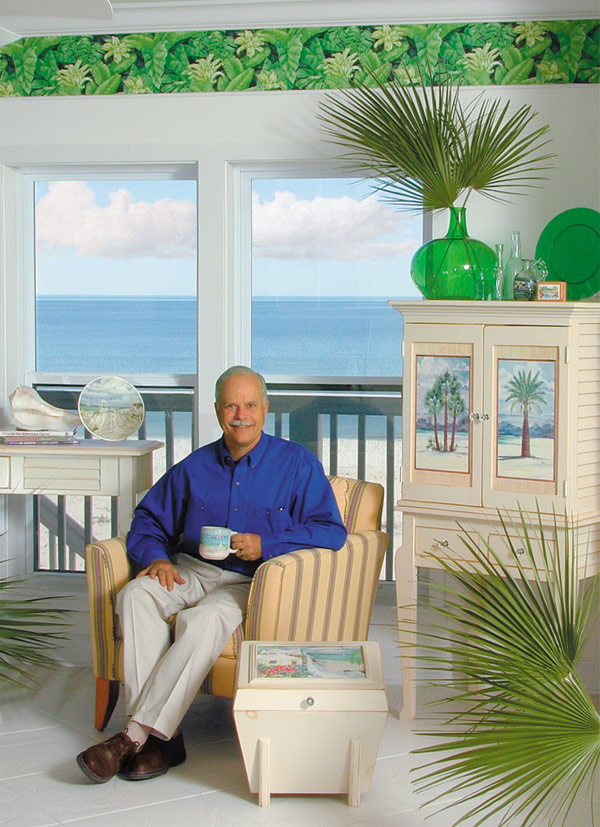
Tips to license your art with Paul Brent

Paul Brent - Art Licensor
Listen & Learn to license your art with Paul Brent

Do you know Paul Brent? He is an ever popular coastal artist that has his art work licensed on just about anything you can imagine, even movies like the "The Truman Show" starring Jim Carey. I could go on and on, but I would rather you see his work for yourself. Check it out at PaulBrent.com)

On Wednesday, March 25, 2009 (5:30 pm PST / 8:30 pm EST), Paul will be answering your questions about art licensing. Seriously, you can ask him anything you want! I have sent in my question and I can't wait to listen in to see what he will say!

Ok. So here's the deal. If you are and artist trying to get your art work licensed on product, you would be CRAZY not to take advantage of this opportunity. So, take some time out of your busy schedule find out the truth about art licensing from this equally busy and very successful man!

What are you waiting for? Sign-up now!

11.03.2008

Do you know what it takes to find, interact and work with manufacturers who license art?


Tara Reed has a new e-book hot off the press that is a must read for any one serious about licensing their art to manufacturers.

"How to Find, Interact and Work with Manufacturers who License Art"

These 75 pages of informational bliss had my idea cogs turning, challenging the way I approach and sell art to companies that are looking to license art.

You will chuckle your way this e-book as Tara lightheartedly unlocks the mysteries of the artist/manufacturer relationship. I especially enjoyed the 3 magic questions as well as the insightful interviews. Get ready for some hands on information that will establish the way you do business as an art licensor.

Get the eBook "How to Find, Interact and Work with Manufacturers who License Art"

9.09.2008

I’m all a-twitter about Twitter!

by Tara Reed


According to Twitter: Twitter is a service for friends, family, and co–workers to communicate and stay connected through the exchange of quick, frequent answers to one simple question: What are you doing?

It can be anything from “about to brush my teeth”, “had a ham sandwich for lunch”, “discovered this great new website – here is a link”.

And here’s a catch– you only have 140 characters per ‘tweet’. (A “tweet” is what they call your update or post)

While trying to explain Twitter to a friend the other day, I came up with a great analogy. Twitter is like a virtual office – with the people you follow being the workers in nearby cubicles.

If I were in a real office, I could walk to a nearby cubicle and ask, “ Hey, anybody know what font this is?” Since I work at home, I’d be talking to the wall.

But now that I have twitter, I can talk to anyone who is following me.

I have found Twitter to be a great source of information. My font question was real. One day I needed to figure a font to use in a book. I found one I liked but didn’t know what it was.

I Twittered my question, put a link to a sample of the font, and waited.


Within 10 minutes, one person told me the exact name of the font.


Another Twitter friend gave me a link to a website, where I could enter samples of any font and the site would tell me the font. What a great resource for the future!


With more and more people working from home, there is a growing need for ways to feel ‘connected’ and less isolated. Twitter does just that and more.

The TOP 3 reasons I like Twitter:

  1. Twitter is a great way to learn about what people are doing. Twitter helps you feel connected to others in your industry and life – regardless of physical location.

  2. By reading what others are doing and discovering, I too, find interesting websites that can help me with my business.

  3. By posting what I’m doing throughout the day, others can learn more about me personally and professionally. Twitter has led to joint venture opportunities, job opportunities and new customers.
Sounds pretty good, right?

But how does it work?

I will take you on a guided tour of Twitter, complete with lots of pictures!
(I’m an artist, I like to SEE what is going on!)


You will Learn the Six Steps to Becoming a Master Tweeter on Twitter

All you have to do is sign up for my Art Licensing Newsletter and the 17 page, image-packed eBook is yours. For free. Can’t beat free!

Click here, sign up, opt-in and unleash your inner social butterfly!

~ Tara

P.S. “Twitter”, the bird, and all screen shots are copyrights of Twitter and used to further the cause, not to harm or confuse it! I don’t know how I ever lived without you Twitter!

P.P.S. Do you already twitter? Let me know - follow me, I’ll follow you. artisttarareed

8.11.2008

Tara Reed: How to Get Started in Art Licensing

Art Licensor and marketing maven, Tara Reed, has recently put her outstanding knowledge base of art licensing information in to this thoughtful and easy to understand e-book. Perfect for beginners, this 72 paged book will walk you through everything you need to know to get started putting your art on products.


Tara Reed has wonderfully jam packed this how to guide with information that you would normally pay several thousand dollars and years of trial and error to learn. Plus you get three insider interviews (artist, agent, manufacturer) that will illustrate clearly how the licensing process really works. If you are serious about learning how you can succeed in this very exciting industry, you would be crazy not to get a copy and give your art career the support it deserves.


Want to learn more? Click here!


5.06.2008

Just One More Book

With SO much happening everyday in the children's publishing area, it can be very difficullt to stay on top of things. Andra from Just One More Book just sent me this cool children's book resource. I hope you find this as interesting and educational as I did. . .

www.JustOneMoreBook.com

"A podcast about the children's books we love and why we love them -- recorded in our favourite coffee shop"

"Just One More Book!" is a thrice-weekly podcast which promotes and celebrates literacy and great children's books. Each weekday morning, we take a few minutes out of our morning coffee ritual to discuss one of our many favourite children's books. We also feature weekly interviews with authors, illustrators and experts and enthusiasts in the areas of children's literature and literacy as well as listener-submitted book reviews.

Through this podcast and website, we are building a lively, interactive community linking children's book authors, illustrators, readers (parents, children, librarians, teachers and literacy activists) and publishers.

Guests have included celebrity authors such as Sheree Fitch, Rachna Gilmore, Jack Prelutsky, Daniel Pinkwater, Eve Bunting, Eva Ibbotson, Henry Winkler and Mary Ann Hoberman. They have also aimed the spotlight at interesting and lesser known and illustrators.

Episodes range in length from 5 to 25 minutes and can be played directly from our web page or downloaded to a portable mp3 player, such as an iPod, for listening on the go.

This podcast is powered by passion. They have no advertisers or sponsors. Their goals are to link children with great books and to help create happy memories for children and the adults that read to them…and to have fun!

The Just One More Book! Podcast has been recommended by the American Library Association as one of its 2007 American Library Association (ALA) - Great web sites for kids and has been featured in Canadian Living Magazine and such prestigious literary publications as School Library Journal, Books for Keeps and Publishers Weekly. We are also regular contributors to ChildsLife, The Edge of the Forest and Parent Source online newsletters.

5.01.2008

How Licensing Works. Don't Let Congress Orphan Your Work

Here's a letter from Joanne Fink that explains how licensing works and
why the OW bills will be detrimental to artists that license their
work. It's like licensing 101 for congress ...

My name is Joanne Fink, and I am the President of Lakeside Design, a
Central Florida design studio which specializes in developing products
for the gift, craft, and stationery industries. Most of our clients
are manufacturers who sell their products to major retailers such as
Wal-Mart, Costco, Target and Michaels. These clients range in size
from small family businesses to huge international corporations, but
they all have one thing in common; they license art to put on their
products. Through my business, I have been involved in the art
licensing industry for many years, and often speak about art licensing
at major trade shows such as The Licensing Show and The Craft and
Hobby Association show. I don't know if you are aware of the
devastating consequences that two pending bills (H.R. 5889 - The
Orphan Works Act of 2008 and S. 2913- The Shawn Bentley Orphan Works
Act of 2008) will have on the entire art licensing industry, so I felt
compelled to share my concerns in hopes that the bill could be
reworked to address them.

While I oppose the Orphan Works amendment, I applaud the intention of
those who created it; there have been several occasions in the past
decade that I wanted to use a particular image as part of a design,
but because I was unable to determine where the image had originated
and/or who owned the copyright to it, I was unable to use it. While I
would welcome the ability to use images of this sort, I would NOT
welcome it at the expense of undermining the entire Art Licensing
world and current copyright protections, particularly as they relate
to visual artwork such as photography, painting, and illustration.
Unfortunately, as currently written, the Orphan Works amendments will
have a devastating economic impact on artists and manufacturers in
numerous industries; it will basically change American copyright and
intellectual property laws.

My belief, from having read the bills in detail, is that whoever
drafted them may not have fully considered their impact on the
licensing world. Since art licensing is one of my areas of expertise,
I thought it would helpful if I could share some information about how
licensing works, and why passing this bill in its current state will
be detrimental to the millions of people involved in the field.

LICENSING IS BIG BUSINESS

The following statistics have been provided by LIMA (the Licensing
International Merchandiser'

s Association). Licensing is big business;
it accounts for $175 billion in retail sales of licensed merchandise
worldwide, and over $105 billion in the United States.

In 2006, the $3.3 billion in retail sales of products featuring a
licensed piece of art brought licensors—artists and designers— royalty
revenues of $182 million. These sales came from the following
categories, affecting a wide range of American manufacturers:

36% gifts and novelties
15% home décor
15% housewares
10% paper products
7% accessories
5% apparel
4% publishing
3% food and beverage
3% health and beauty
2% infant products

HOW THE ART LICENSING INDUSTRY WORKS

Whoever owns the rights to a 2-or 3-dimensional design or image
(usually the artist/creator of the design) is the LICENSOR, and
whoever wants to acquire the rights to reproduce that design or image
is the LICENSEE. Artists/LICENSORS make money by licensing
(essentially "renting") the right to reproduce their design or image
to different manufacturers (LICENSEES) to use on different sorts of
products. For example, a sailboat image can be licensed to company A
for a mug; company B for a coaster, and company C for an art print.
Licensing is an interesting and complex business, and it is a
successful and profitable business because our current copyright law
protects the creator's rights and safeguards their ability to profit
from their intellectual property. This $3+ billion art licensing
industry will no longer be able to function should the proposed
legislation be passed.

RAMIFICATIONS OF THE PROPOSED LEGISLATION

When a manufacturer wants to feature an artist's work on one or more
of their products, it is important to them that they are the only
company who has the right to reproduce that design on that particular
product. If other manufacturers are able to put the same design on the
same product then it hurts the licensee, especially if the
manufacturer licensee has to factor the artist's royalty payment into
their price structure while the infringing manufacturer does not and
can therefore bring the product to market at a lower price point. In
fact, one of the great incentives NOT to infringe on an artist's
copyright, is that currently there is a stiff penalty—up to $150,000
for each instance that infringement is proven. The proposed Orphan
Works bills removes the penalty for infringement, which will make it
easy for unscrupulous companies to infringe on someone's copyright and
receive nothing more than a `hand-slap' as punishment.

Consider for a moment, that you are an artist, and imagine how you
would handle the following hypothetical situation:

In the 1990's, you licensed a series of pictures for one-time use in a
corporate annual report. As often happens in such cases, the copyright
notice and artist credit were left off of the printed piece. As a
business-savvy artist and studio owner, you naturally took the time
and trouble to register your copyright to the works. Because your
brand is important to you, you make it a practice never to license
your work for inexpensive or distasteful products, but over the course
of the next decade, you did decide to license some of these images for
exclusive use on upscale lines of dishes, wall décor, and jewelry
boxes—product lines which enhance your brand's image.

Fast forward to today; a t-shirt manufacturer is cleaning out his
mother's attic and finds the annual report featuring your pictures,
and decides that they would be hot sellers for his fall line. He calls
the company to try to find the artists name, but no one there knows.
So he begins to manufacture and sell cheap t-shirts bearing your art.
Thank goodness for our current copyright law, under which your
remedies would include statutory damages, attorney's fees, impoundment
and injunction for this flagrant infringement - because it's damaged
your ability to exclusively license your work only in high-end
markets. And once your work is seen on lower-end products, the brand
loses it caché resulting in many upper end manufacturers refusing to
license it. Since this adversely affects your income, you hire a
lawyer to take your case on a contingency basis, and with their
assistance are able to prove infringement.

But what would happen if this same scenario took place in 2014— under
the Orphan Works acts of 2008. Since, under the new (proposed)
legislation you would only be entitled to `reasonable compensation'
for the use of your designs, and even that would be limited to
whatever maximum the court might set and would be constructed not to
deprive the infringer of the profits he made "in reliance" on his
so-called failure to locate you, no attorney would take the case on a
contingency basis. As a small business owner, you could not possibly
afford the costs of hiring an Intellectual Property attorney and
taking the case to Federal court, and so you would be unable to
protect your design. In the meantime, the high-end companies which
were featuring your work on their products see the same images on
cheap t-shirts, decide to drop your work from their line, and sue you
for breach of contract, since the contract you signed guaranteed them
the exclusive right to use that design. They also sue you for damages
for the loss they take due to sharply reduced sales of products they
have produced with your no longer fashionable design. All in all it is
a very damaging situation—both from the visual artist's and the honest
manufacturer's standpoints.

Without the deterrent of statutory damages and attorneys fees - and
without a permanent injunction against repeat offenses by the same
t-shirt seller, this experience would now act as an incentive for the
infringer to exploit other uncredited (and therefore, effectively
orphaned) images by other artists. Worse, the t-shirt manufacturer
will discover that publishing `orphan works' is a rational, profitable
business decision, which could in turn inspire yet other infringers.
It is bad enough we have to deal with infringement issues from China
and other countries—we shouldn't have to deal with it from our own soil.

PRIMARY OBJECTONS TO THE PROPOSED "ORPHAN WORKS" AMENDMENTS FROM THOSE INVOLVED IN THE ART LICENSING INDUSTRY

1. It changes the 1976 U.S. Copyright Act (enacted in 1978), and makes
it virtually impossible for artists to protect their work. It
basically allows anyone to use a design without the copyright holder's
permission.

Under current law, you receive basic copyright protection even if you
don't register your work. Under Orphan Works law your work could be
declared an orphan even if you have registered it. Congress, in
enacting the Copyright Act of 1976, provided that copyright exists in
the creation of any work that is copyrightable subject matter,
regardless of whether or not the owner has performed any legal
formalities, such as registration, or copyright notices, or taken any
steps to protect or defend the copyright. Since 1978 (when it was
enacted) many creators have relied upon the Copyright Act of 1976, and
employed business practices based upon the protections it offered. The
proposed Orphan Works Acts of 2008 would have the effect of depriving
certain creators of the ability to enforce their copyrights because
they did not take steps that the Copyright Act of 1976 did not require
them to take. In essence, it will give infringers the legal means to
use a design without the copyright holder's permission.

2. It requires artists to attempt to protect their work by registering
it with a digital data base system (presumably for a fee, in addition
to the copyright filing fee)—when no such system exists!

The proposed legislation is predicated on the establishment of
private, profit making registries that would establish databases of
digital versions of artworks and provide a place for infringers to try
to locate the artist, BUT it will be enacted whether or not these data
bases ever come into existence. This will relieve the infringer of
liability if he simply attempts a search that cannot possibly be
performed successfully.

In addition, the legislation places no limit on the number of these
registries or the prices they would charge. The burden of paying for
digitization and depositing the digitized copy with the private
registry would presumably fall entirely on the artist, and even if an
image is contained in the registry, as long as the infringer "looks"
without finding it, the infringement is allowed. There is no liability
imposed for the failure of a database to find an image registered in
that database when it is searched, and no requirement that all
available databases be searched, thus potentially requiring multiple
registrations (and multiple registration fees). There are also no
safeguards to prevent any person or company from fraudulently
registering work they do not own.

3. It eliminates statutory damages wherever an infringer can
successfully claim an orphan works defense, thus eliminating the only
tool the law provides to prevent deliberate infringement.

Current law almost certainly deters rampant infringement because the
present remedies – damages of up to $150,000 per infringing article--
make infringement risky. By "limiting remedies," the Orphan Works
amendments will effectively create a no-fault license to infringe.

4. It allows for an infringer to create—and copyright—a derivative
work from the original design.

Under current law, the right to create a derivative work is one of an
artist's exclusive rights. Section103 (a) says a user can't copyright
a derivative image that he's infringed. "Protection for a work
employing preexisting material in which copyright subsists does not
extend to any part of the work in which such material has been used
unlawfully." Under the proposed new bills, since the entirety of an
infringed work can be included in a derivative use, then the copyright
of the derivative will amount to a copyright of the original. This
would be a de facto capture of new exclusive rights by the infringer.
In other words, these bills allow infringers to make and copyright
derivatives—even if the copyright holder to the original work objects.

If this legislation passes it would mean a return to pre-1976 U.S.
Copyright Act when many artists' works fell into the public domain
because they could not afford to comply with the formalities of
registration as a condition of copyright protection. This violates the
trust under which American artists have worked for the last 30 years,
and effectively nullifies our U.S. Copyright registrations. Further,
it leaves infringing works (and products incorporating them) subject
to seizure in other countries under the Berne Convention for the
Protection of Literary and Artistic Works (the international agreement
governing copyrights to which the United States is a signatory), and
invites sanctions from around the world under the World Trade
Organization Agreement on Trade-Related Aspects of Intellectual
Property Rights (TRIPS), to which the Unites States is also a
signatory, because international artists' works would be just as
vulnerable to infringement within the U.S. under the terms of the
Orphan Works Amendment.

THE HEART OF THE ISSUE

One of the things that I do not understand about this legislation is
why it applies to commercial applications. I truly believe that few in
the art licensing community would have major issues with the
legislation if it only affected non-commercial uses. Rather, we are
extremely concerned about losing our ability to earn a living as small
businesspeople and entrepreneurs by licensing our work for commercial
use-- which is what we believe will happen if this legislation passes.

I began my career over 25 years ago as a greeting card designer, and I
am still extremely active in the greeting card industry; I am on the
Board of Directors of the Greeting Card Association, an organization
whose members (e.g., Hallmark and American Greetings) publish over 95%
of the greeting cards sold in the United States. I am also the Design
Editor for Greetings etc. magazine, the major trade publication for
the greeting card industry. While the impact of this legislation will
initially be felt by the visual arts communities, I would like to
point out that it will also impact American manufacturers who utilize
artwork in their product lines.

I strongly oppose this legislation, and respectfully request that you
do NOT pass it. If you would like any additional information regarding
the broad reaching implications this legislation has for our country,
the art licensing community and visual artists both here and abroad,
please do not hesitate to contact me.

Sincerely yours,
Joanne Fink, President
Lakeside Design
345 Eden Trail
Lake Mary, FL 32746
www.lakeside-design.com


4.25.2008

Orphan Works and YOUR FUTURE

Orphan Works:
Or, How You May Lose All the Rights to Every Piece of Art You Have Ever Created!

FROM THE ILLUSTRATORS' PARTNERSHIP

YOU NEED TO LISTEN TO THIS
because you are about to lose your copyright protection. Every one of you needs to stand up and be heard in order to protect what we have all created.

A webcast interview with Brad Holland about this bill is now available at:
http://www.sellyourtvconceptnow.com/orphan.html

Please listen to it because this radical proposal, now pending before Congress, could cost you your past and future copyrights.

On Saturday April 5, 2008, artist and producer Mark Simon interviewed Hall of Fame illustrator Brad Holland on the subject of Orphan Works legislation. The warnings in this interview have now been confirmed by the advance drafts of the bill. Learn what artists groups are doing and how you can help oppose this radical departure from traditional copyright law and business practice.

If these proposals are enacted into law, all the work you have ever done or will do could be orphaned and exposed to commercial infringement from the moment you create it.

The Illustrators’ Partnership is currently working with our attorney - in concert with the other 12 groups in the American Society of Illustrators Partnership to have our voices – and yours - heard in Congress. We’ll keep you posted regarding how you can do your part.

For additional information about Orphan Works developments, go to the
IPA Orphan Works Resource Page for Artists
http://www.illustratorspartnership.org/01_topics/article.php?searchterm=00185

Click HERE to download the Senate version of the bill,
S 2913 The Shawn Bentley Orphan Works Act of 2008


Please forward this information to every creative person and group you know. Mr. Holland and Mr. Simon have given their permission for this audio file to be copied and transferred and replayed.

LISTEN NOW

4.18.2008

Penelope Dullahan Interview


Sheri Gaynor of
feistyfemales.com interviews illustrator and entrepreneur Penelope Dullahan. You may also know Penelope Dullahan from Illustration Friday. If you are looking for a way to kick start your ideas, this is worthy of your creative input.

"Penny will share how she made the transition from art director at a successful ad agency, to successful illustrator, with an impressive client list. Penny has created illustration work for Target, United Airlines and Harper Collins, to name just a few."

Listen to the interview here.

3.28.2008

Hullabaloo Interviews Isabella Hunter of FRCH


Scott Hull, Visual Ambassador, interviews Isabella Hunter, Lead Designer at FRCH Worldwide. They discuss the importance of heritage and diversity, and its impact on culture.

3.18.2008

THE CLIENT’S NEEDS AND PRESENTATIONS

Presentations should be prepared with the clients “needs” in mind. This sounds simple but it’s not as straight forward as it first appears. However, before you do anything you must understand the market sector you are aiming at. Read On…

2.21.2008

Milton Glaser -- born 26. 6. 1929 in New York, USA -- graphic designer, illustrator, teacher

"Milton Glaser is...well, words nearly don't do him justice...one of the most important, prolific and profound leaders in visual and graphic arts in your lifetime and his. He is personally responsible for the design and illustration of more than 300 posters for clients in the areas of publishing, music, theater, film, institutional and civic enterprise, as well as those for commercial products and services. The image above and the essay below are reproduced here with permission. Read on to discover his sage advice with words that ring as true today as when written in 2001. Peruse his bio and work on his Milton Glaser Web site for more essays and insights into this man's creative force, remarkable accomplishments and matchless oeuvre."-Barney Davey

Read Article: Ten Things I Have Learned (Part of AIGA Talk in London)

1.18.2008

FREE Audio Download - The Self Publishing Artist

Click here for Audio Link

Michael Woodward ran one of the first art licensing companies in the world, in Europe, where he licensed over $600 million in retail products over 22 years.

When Michael speaks, everyone listens. If you are wondering if your work is right to license or not, this is one presentation you just can’t miss.

Michael has represented artists, illustrators and photographers and worked with high profile manufactures and publishers, including Athena International (posters, prints, greetings cards); Hallmark (greetings cards); American Greetings; Nestle; Scandecor (posters); Verkerke (posters and cards) among dozens of other international companies.

As an artist advocate, Michael also organized and run major art exhibitions, including one at the Allerton “gothic” Castle in the UK (featured on BBC TV), and one attended by Elton John, who subsequently commissioned the artist. Michael’s book, Licensing Art 101, is regarded as “the handbook” on art licensing for artists entering this lucrative industry. He has a vast experience in many aspects of licensing from character merchandise and animation to fine art publishing in limited gallery editions as well as mass marketing via high street retailers.

Click here for Audio Link

This audio file is taken from a seminar recorded Oct 2003 at The Marketing Bootcamp in Santa Fe for over two hundred artists. This is the audio track from the video. I hope it gives you some insight into publishing your own work and some of the pitfalls you can avoid.

I had the privilege to pay around $300 to go down there to hear Michael Woodward, international licensing guru, speak at this event. We may not have to chance to have him in person at a CAI meeting, but I don't any of
you to miss the opportunity to learn from the best!
- Cherish Flieder, VP of Colorado Alliance of Illustrators

COPYRIGHT AND THE NEED TO REGISTER

Understanding the basic rules regarding copyright and what it means is essential. The ownership of copyright is how intellectual property rights come into existence. These rights are the key to creating additional income for the creator. Read On…